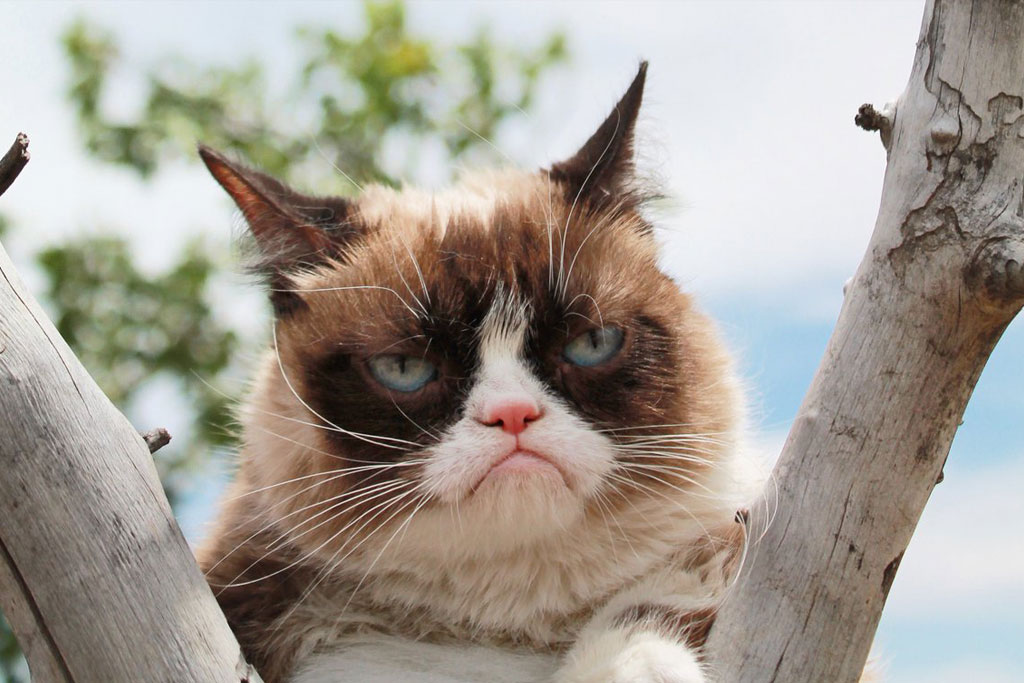
Grumpy Cat – half Persian, half Ragdoll
CAUTION: CRUEL BREEDING
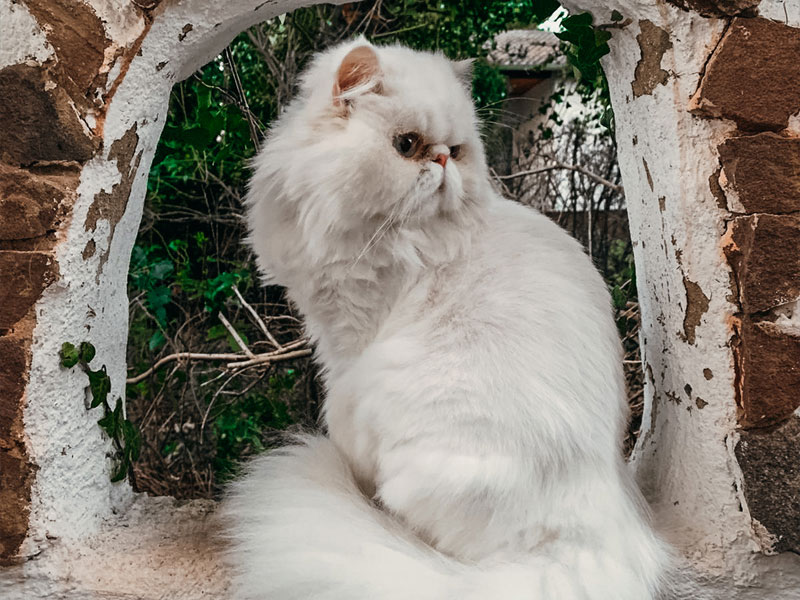
The Persian cat has its admirers as well as its critics. Without a doubt, it is a very controversial breed, and rightly so. Unfortunately, breeding for deformities is not uncommon. An extremely short nose is considered a beauty mark for Persians, especially in America, but it has serious health consequences, as it results in narrowed nostrils and tear ducts. They often suffer from breathing and vision problems because they produce excessive amounts of tears, so their faces are constantly wet. A Persian cat's eyes must be cleaned regularly.
The flat face not only affects the eyes and nose, but Persian cats are also prone to dental problems because their small jaws don't always have enough room for all their teeth. On average, their teeth fall out much earlier than in other breeds.
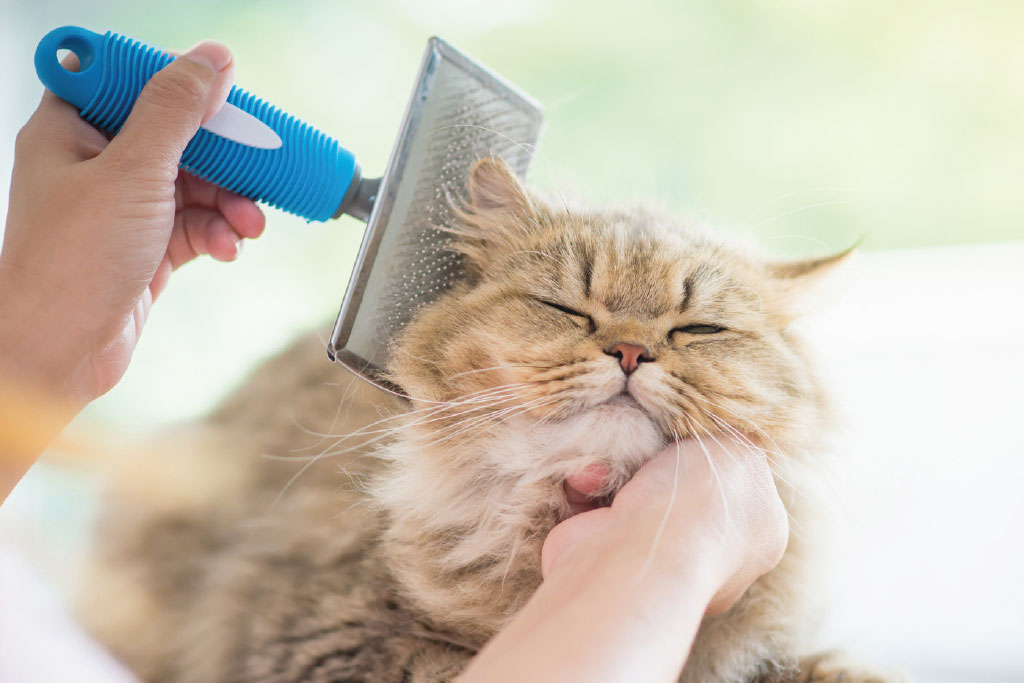
The long fur can also cause problems, as it's not easy to comb through with a cat's tongue. The undercoat becomes matted if the Persian cat isn't brushed regularly. Some cats enjoy being brushed, while for others it's pure stress.
Especially during shedding season, Persian cats need to be shaved occasionally, as matted fur is otherwise unavoidable. The high grooming requirements of Persian cats are often underestimated.
Despite all this, choosing a Persian cat is certainly not a crime. They deserve just as much love as any other breed. If a Persian cat is to be purchased from a breeder, it is important to carefully examine the cat's parents. If the nose is too flat, the eyes are crusted, or breathing problems are apparent, the breeding program should not be supported by purchasing a kitten.